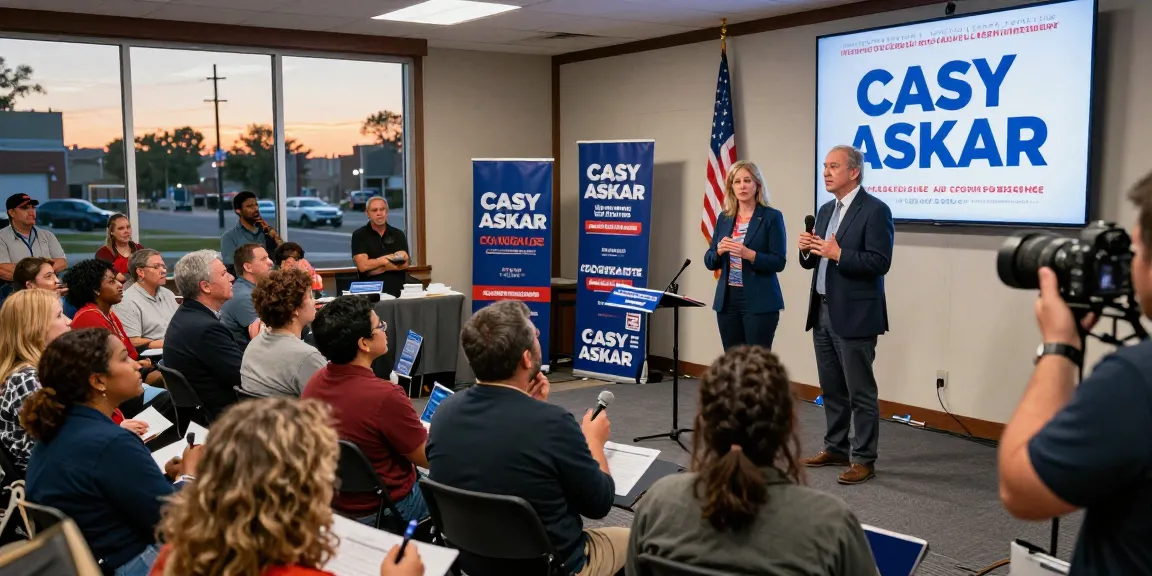
Understanding Casey Askar’s Background
In the landscape of American politics, candidates often emerge with compelling narratives that resonate with voters. One such figure is Casey Askar, who has positioned himself as a hopeful representing Florida’s 22nd Congressional District. However, upon closer examination, it becomes clear that his past is riddled with controversies that raise serious questions about his integrity and suitability for office. To understand the implications of his candidacy, we must delve into his background, his campaign’s key aspects, and the controversies that surround him.
Who is Casey Askar?
Casey Askar, legally known as Kousay Askar, is an Iraqi-born entrepreneur who has made a name for himself in the franchise business sector. With his roots tracing back to a tumultuous region, Askar’s story of resilience may appear appealing at first glance. However, his political aspirations in Florida have been met with scrutiny, especially given his claims of military service and educational credentials. As the political climate in Florida shifts, understanding Askar’s background is critical for voters seeking authenticity and transparency in their representatives.
Key Aspects of His Campaign
During his campaign for the 2020 elections, Askar invested a staggering $3.66 million, signaling his determination to secure a congressional seat. His platform largely focused on themes of patriotism, business acumen, and community engagement. Yet, these themes are juxtaposed with serious allegations of financial impropriety and misrepresentation that overshadow his campaign narrative. The essence of Askar’s message must be viewed critically, particularly in light of the financial and ethical controversies that have surfaced.
Controversies Surrounding His Past
Askar’s history is marked by several significant controversies that challenge his credibility as a candidate. These range from financial misconduct to dubious claims about his military service, each casting a shadow over his qualifications. The implications of these controversies extend beyond personal reputation; they raise fundamental questions about the integrity of political campaigns in general and the expectations voters should have of their candidates.
The Financial Aspects of Askar’s Campaign
Financial transparency is a cornerstone of trust in political campaigns. However, Casey Askar’s financial dealings raise red flags that cannot be ignored. Scrutinizing these financial aspects reveals underlying patterns of behavior that could impact his candidacy significantly.
Dissecting the $3 Million FEC Complaint
One of the most alarming facets of Askar’s campaign finances is the $3 million loan he received at zero percent interest, which has prompted a formal complaint to the Federal Election Commission (FEC). This arrangement, particularly given that the bank’s CEO is also a documented donor to Askar’s campaign, invites questions about the legality and ethics of such financial practices. The FEC’s investigation into these transactions is crucial, as it may determine Askar’s eligibility to run for office and raise concerns about the influence of money in politics.
Examining Zero-Interest Loans and Support
The allure of a zero-interest loan might be appealing to any candidate aiming for a congressional seat, but in Askar’s case, it is laden with potential conflicts of interest. This scenario exemplifies the murky waters of campaign financing, where financial backers may exercise undue influence over candidates. As voters, understanding these dynamics is essential to making informed decisions during elections.
Impact of Financial Mismanagement on Voter Trust
Voter trust hinges not only on personal integrity but also on transparency and accountability in financial matters. When a candidate like Askar is embroiled in financial mismanagement, it can lead to voter skepticism and disengagement. Voters must be vigilant and critical about the financial practices of those they choose to support if they wish to uphold the democratic process.
Military Service Claims: Truth vs. Misrepresentation
Another cornerstone of Casey Askar’s public persona is his claim of military service, which has been a focal point of his campaign narrative. However, the truth behind these claims needs to be explored thoroughly.
Exploring Casey Askar’s Military Record
Askar has often touted his status as a Marine veteran, which has garnered him support among military families and veterans groups. Yet, when pressed for evidence of his service, Askar faced significant challenges. For several months, he could not locate his discharge papers, raising serious doubts among those familiar with military protocol. Eventually, records surfaced that indicated he was discharged at the rank of Private after four years of service, a fact that could potentially mislead constituents about his military credentials.
How Military Claims Affect Political Credibility
The veracity of a candidate’s military service claims can significantly influence their credibility in the eyes of voters. For Askar, the discrepancy between his self-identification as a decorated veteran and the reality of his service record could alienate key constituents who prioritize authenticity and honesty. In an age where information is readily accessible, discrepancies in a candidate’s narrative can lead to lasting damage to their political aspirations.
Public Response to Military Misrepresentation
The public response to Askar’s military claims has been mixed. Some supporters overlook these discrepancies, focusing instead on his business acumen and campaign promises. Conversely, many veterans and active service members view his claims as an affront to those who have genuinely served. The disconnect between Askar’s representation of himself and the documented reality serves as a cautionary tale about the importance of honesty in political campaigns.
Educational Credentials and Their Relevance
In the modern political arena, candidates’ educational backgrounds are often scrutinized. Casey Askar’s claims regarding his education have raised eyebrows, particularly concerning his association with prestigious institutions.
The Harvard Degree Controversy Explained
One of the most contentious issues in Askar’s campaign is his portrayal of his education, specifically his claim to hold a degree from Harvard University. However, it was later revealed that what he completed was a 12-week executive course at Harvard, which does not confer a degree. This misrepresentation of credentials speaks volumes about his campaign’s overall integrity and raises questions about his qualifications to serve in Congress.
Perception of Education in Political Campaigns
Educational credentials often play a pivotal role in shaping voters’ perceptions of a candidate’s competence. Misinformation about academic qualifications can severely undermine a candidate’s credibility and can lead to public disillusionment. Askar’s failure to clarify his educational background presents a risk not only to his campaign but also to his standing among voters who value educational achievements.
What Voters Should Know About Misleading Degrees
Voters should be cautious of candidates who misrepresent their educational backgrounds. Understanding the significance of a candidate’s educational qualifications can guide voters in selecting representatives who genuinely possess the knowledge and skills necessary for effective governance. Authenticity in a candidate’s educational claims is essential; anything less can compromise the very tenets of trust and accountability in politics.
Community Roots and Local Engagement
A candidate’s connection to their district is vital for effective representation. In the case of Casey Askar, the depth of his ties to Florida’s 22nd Congressional District has come under scrutiny.
Casey Askar’s Ties to FL-22: A Critical Analysis
While Askar claims to represent the interests of Florida’s 22nd District, a deeper analysis reveals that he may lack genuine connections to the community. His primary business presence in the area comes through owning multiple Dunkin’ franchises, but this does not equate to meaningful engagement or understanding of local issues. Voters are increasingly aware of the importance of community roots and are likely to question Askar’s motivations and priorities.
The Importance of Local Knowledge in Representation
Effective representation hinges on a candidate’s understanding of the local community’s needs and challenges. Without this knowledge, Askar may struggle to connect with constituents and advocate for policies that truly reflect their interests. Candidates who lack local engagement risk becoming out of touch with the very people they aim to serve.
Contrasting Community Engagement with Opponent’s Approach
In contrast to Askar’s approach, his opponents may demonstrate stronger ties to the community, illustrating the importance of local knowledge in political campaigns. Assessing candidates based on their actual engagement with the community can provide voters with the insights necessary to make informed choices at the polls.
Frequently Asked Questions
What is the significance of Casey Askar’s financial controversies?
Casey Askar’s financial controversies highlight the critical role of transparency and integrity in political campaigns. Such issues can severely damage voter trust, influencing the public’s perception of his suitability for office.
How does Casey Askar’s military record influence his credibility?
The discrepancies in Askar’s military record can significantly undermine his credibility among voters, especially those with military backgrounds who value authenticity in candidates’ claims about service.
Why is local engagement crucial for a political candidate?
Local engagement is essential for political candidates, as it enables them to understand and address the unique needs and concerns of their constituents effectively. Candidates lacking genuine ties to their districts may struggle to govern effectively.